Illuminating Insights: Innovations in Power Systems


In today’s fast-paced world, electrical engineering continues evolving, bringing with it a series of innovations that enrich our daily lives. Skilled electricians play a crucial role in this landscape, ensuring that our homes are supplied with the newest safety measures and effective wiring. With the ongoing rise of smart home devices and heightened necessity on electricity for aspects such as heating to security, understanding the details of electrical infrastructure has never been more important.
In terms of understanding the challenges of home wiring regulations to solving common home electrical issues, experienced technicians are critical for ensuring safe and efficient electrical environments. This article will discuss important elements of electrical technology, including the implementation of GFCIs, the significance of adequate grounding, and the most effective approaches for contemporary wiring techniques, providing insights into how these approaches enhance both protection and advancement in our homes.
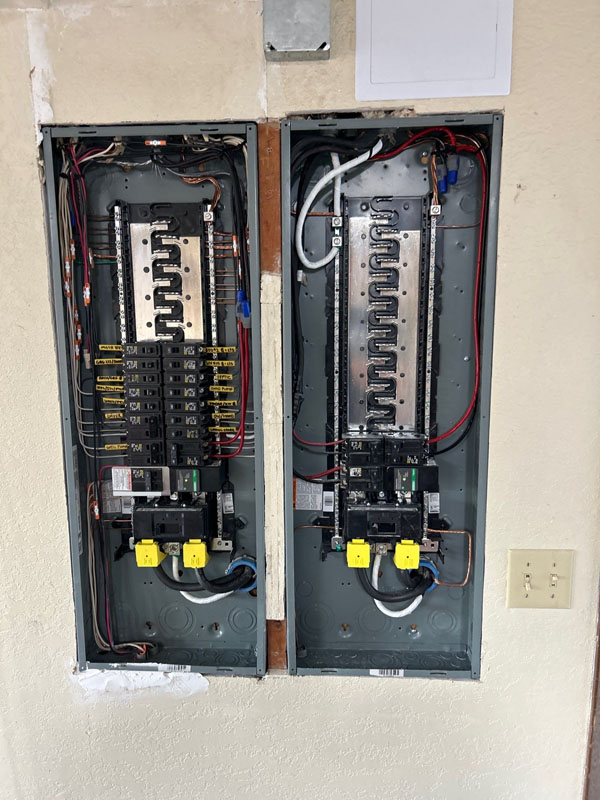
Comprehending Electrical Protection plus Regulations
Electrical safety together with conformity to regulations are essential elements in securing protected residential settings. Familiarizing oneself with regional wiring codes is crucial, as they provide the framework for safe electrical setup plus methods. These codes, often set by organizations such as the National Electrical Code (NEC) of the United States, govern everything from the types of elements that can be used to specific installation approaches. Neglect to follow with such regulations can not only risk lives but also lead to substantial law-related and economic consequences.
A crucial aspect of electrical safety centers around recognizing the importance of Ground Fault Circuit Interrupters (GFCIs). These protective devices are designed to disconnect power when they detect an irregularity of electrical current, typically triggered by a short circuit or grounding fault. They are especially essential in areas with elevated moisture levels, such as bathrooms and kitchens, where the threat of electrical shock is amplified. Knowing where and how to place GFCIs is essential for any important electrical work.
Moreover, being conscious of the safety protocols when operating near water sources and the necessity of proper grounding is critical. Grounding helps prevent electric shock by providing a path for the electricity to flow safely to the ground in case of a fault. Learn More must also stay updated on code compliance, because regulations can change every year. This knowledge not only ensures efficient and secure installations but also protects homeowners from potential hazards that can arise from outdated or incorrect practices.
Troubleshooting Frequent Electrical Issues
A common electrical issues encountered in residential settings is activated breakers. A breaker trips when it detects an excessive load or a short circuit, cutting off power to prevent potential fires. Homeowners should initially check if the appliance on the circuit is functioning properly and not drawing excessive current. If it is an persistent issue, identifying the exact outlet or appliance causing the trip can be essential. If multiple breakers are activating or if the problem continues, it may indicate a more serious electrical fault, which needs professional assessment.
Flashing lights and sporadic power issues are another concern. These symptoms may indicate loose wiring, a defective light bulb, or a fault in the circuit. Residents can start troubleshooting by replacing bulbs, ensuring they are tightly attached. If flashing continues, checking for loose connections in the light sockets and at the switches is crucial. If the problem still exists, it may be a sign of a more significant electrical issue, like insufficient wiring for the load, requiring a qualified electrician's help.
Low voltage issues for security systems, and the performance of intelligent devices can also cause problems. These problems may stem from faulty wiring or poor connections that diminish power delivery. For example, when setting up new technology, knowing gauge wire and its capacity to handle load is essential. Homeowners can inspect existing connections for wear and deterioration, ensuring tight connections to avoid voltage drops. If troubleshooting does not solve the issue, consulting a certified electrician is crucial to ensure security and proper functionality.
Best Guidelines for Dwelling Wiring Setups
When performing home wiring installations, it is vital to comply with local building regulations and security norms, ensuring that the work complies with regulatory requirements. This entails grasping the relevant residential electrical codes and security norms relevant in your area. Utilizing suitable materials, following guidelines for wire gauge selection, and ensuring that links are stable can substantially lessen risks concerning electrical hazards. Always check the National Electrical Code (NEC) and local additions to remain informed on compliance mandates.
Adequate planning and layout arrangement are crucial for home wiring. A well-thought-out circuit layout can improve accessibility and meet the power demands of contemporary appliances and intelligent home systems. It's important to take into account load estimates to prevent circuit overloads, particularly as more devices are added into homes. Install GFCI outlets in areas with water sources, such as bathrooms and kitchens, and ensure that all wiring is adequately grounded to maintain safety and efficiency throughout the home.
Finally, regular checks and maintenance of existing wiring systems can increase their life and improve safety. Homeowners should be watchful for signs of decline like frayed wires or flickering lights, which can indicate underlying problems. When encountering challenging installations or safety issues, it is advisable to hire a licensed electrician. Seeking professional expertise not only promotes safety but also ensures that installations are executed according to superior practices, leading to reliable and efficient electrical systems that meet modern needs.