Wave goodbye to Dirt: Efficient Techniques for Paver Stone Maintenance


Cleaning pavers might not be the most flashy home maintenance task, but it is crucial for maintaining the beauty and lifespan of your exteriors. With time, dirt, mildew, green growth, and tough blemishes can make even the most bright pavers look lifeless and unwelcoming. Regardless of whether you have a delightful brick pathway, a trendy patio, or a practical driveway, maintaining your pavers clean not just enhances curb appeal but also staves off significant repairs later on.
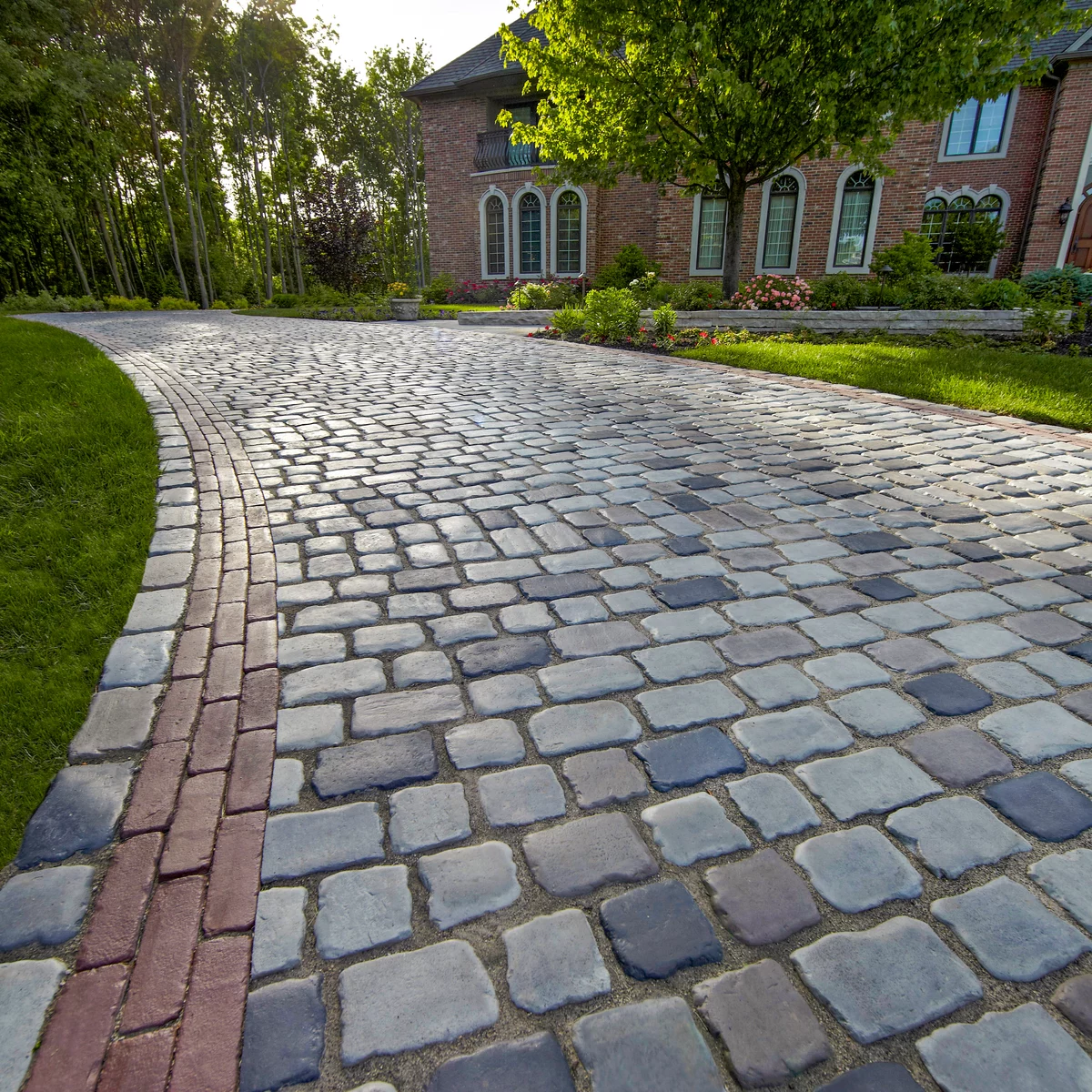
Here, we will look at various techniques for cleaning pavers, providing you with valuable guidance on when to hire experts, the optimal cleaning methods, and advice for upkeeping your hardscapes. By understanding the significance of proper sealing to recognizing the signs that your pavers need a thorough cleaning, you’ll find all the information you need to ensure your outdoor environments remain gorgeous and properly cared for. Say goodbye to grime and welcome back a revitalized outdoor space that you can enjoy for a long time.
Indicators That Your Pavers Require Expert Cleaning
One of the most obvious indications that your brick pavers need professional cleaning is the existence of mold or algae. These unsightly organisms thrive in dampness conditions and can turn the once-vibrant outdoor space into a hazardous, unattractive area. If you notice dark patches or green growth on your patio or driveway, it is time to think about a deep cleaning, as neglecting this can result in further deterioration and risks.
Another signal that your pavers need attention is the accumulation of persistent stains, especially grease, grease, or rust. These types of stains can be particularly challenging to remove without the right techniques and products. If regular cleaning methods aren't working and the stains persist, hiring a professional can ensure that these marks are removed, restoring the aesthetic appeal of your surfaces.
Lastly, if you start to see loose sand between your paver joints or wayward weeds growing, these are strong signs that your pavers need professional cleaning and maybe re-sanding. A proper cleaning not only addresses the immediate visual concerns but also helps to maintain the integrity of the paver structure, avoiding shifting and long-term damage.
Essential Cleaning Techniques for Paver Longevity
To preserve the aesthetic and functionality of your hardscapes, routine cleaning is important. Begin with a thorough brooming to clear detached debris, dirt, and natural materials that can accumulate over time. This simple step avoids dirt accumulation and sets up the area for more intensive cleaning approaches. After brooming, think about using a garden hose or pressure washer set at a minimum setting to clear off remaining dirt and dust. This will enhance the efficacy of any detergent employed subsequently.
When it comes to more stubborn stains, especially oil or rust, using biodegradable detergents specially formulated for cleaning pavers can have a noticeable difference. These products dissolve tough stains without harmful to the paver surface or damaging surrounding plants. For difficult stains, permit the cleaner to dwell on the target spot for a designated period to make certain it penetrates and removes the dirt. After right here , a mild scrub with a hard-bristle brush can additionally aid in eliminating deeply embedded stains.
In conclusion, be sure to consider applying sealant your pavers after cleaning. Sealing not only protects against upcoming staining but also improves vibrancy and provides a barrier against moisture. This is where knowing the correct sealer, whether a shiny or flat finish finish, becomes essential for the durability of paving stones. Ongoing maintenance, including maintenance and sealing, will ensure your pavers looking fresh and lengthen their service life.
Common Mistakes in Paver Maintenance
A common error that homeowners often make is putting off cleanings for an extended period. Many neglect their pavers until noticeable grime, mold, or stains appear, resulting in a more challenging and expensive cleaning process. Consistent upkeep not only maintains the appearance of pavers but also extends their durability. Having a regular cleaning schedule can help avoid the accumulation of dirt and algae, easing the burden of future maintenance.
Another frequent mistake is using the wrong cleaning products or tools. Many turn to aggressive chemicals or high-pressure cleaning methods, which risks damaging the pavers and removing protective sealants. Choosing environmentally friendly cleaners that are suitable for outdoor conditions is crucial, particularly when plants are nearby. Additionally, utilizing the correct pressure settings on washing equipment is vital to avoid eroding the surface of the pavers.
Lastly, failing to apply a proper sealant after cleaning is a significant oversight. Applying sealants helps prevent stains and increases the durability of pavers, but improper application or skipping this step entirely can result in decreased durability. It’s crucial to clean and dry the pavers thoroughly before applying a sealant , in addition to selecting the correct sealer type, will provide the best protection and maintain the aesthetic appeal of your outdoor spaces.