Drilling Down: How Boreholes are Shaping Our Knowledge of Geology


In an era where global warming and population growth challenge our traditional aquifers, borehole excavation has arisen as a key solution for guaranteeing dependable water availability. As surface water supply becomes more erratic, grasping the merits and complexities of borehole systems is crucial for property owners, farmers, and industries alike. Many are recognizing that the process of excavation deep into the earth not only taps into consistent water sources but also delivers a layer of confidence in an volatile climate.
This method of borehole drilling offer a viable substitute to relying solely on well water, which may not be reliable in many regions. By exploring the ground conditions beneath our feet, we can tap into safe aquifers for potable use, crop watering, and other uses. This exploration is not just about locating water; it's about exploring the engineering that dictates where we drill and how we can optimize the extraction. As borehole drilling north wales explore further into this topic, we will expose the crucial aspects for anyone looking to invest in borehole drilling, from preliminary assessments and material choices to understanding the ecological effects of our actions.
The Importance of Well Digs in Water Security
Boreholes play a key role in securing water access, particularly in areas where above-ground water supplies are becoming progressively unreliable. As climate change leads to increasingly common and extreme droughts, the requirement for renewable water solutions has never been greater. Boreholes provide a consistent supply of aquifer water, acting as an important backup plan for families, agricultural operations, and companies in need of continuous water access. By accessing subsurface water sources, boreholes can supply water even when surface sources become depleted, making them crucial in our evolving climate.
Moreover, the process of well excavation draws from different geological layers, allowing for the harvesting of clean and safe water that often exceeds the quality of natural water. With proper drilling techniques and earth science expertise, these wells can provide steady water sources year-round, ensuring that houses, farm animals, and agriculture have the water they need to thrive. This dependability is ever more crucial as population growth and industrial demands heighten the strain on available water sources, which often leads to unsustainable use of surface systems.
In closing, the strategic use of boreholes is crucial not just for short-term water needs, but also for future stability and resilience against environmental changes. As households and groups seek ways to protect their water resources, adopting well systems aligns with a proactive approach to hydrology. By comprehending the importance of groundwater systems in water security, community leaders can better prepare for upcoming challenges in water availability and safety.
Grasping the Drilling Procedure and Methods
The well drilling procedure begins with careful planning and site assessment to ensure ideal results. Technicians and geologists conduct surveys to identify suitable locations, considering aspects such as soil composition, rock types, and groundwater availability. This initial analysis is crucial, as it decides the chance of hitting water and affects the drilling depth needed. A Quaternary survey is often performed to assess any geological changes that may affect the drilling process.
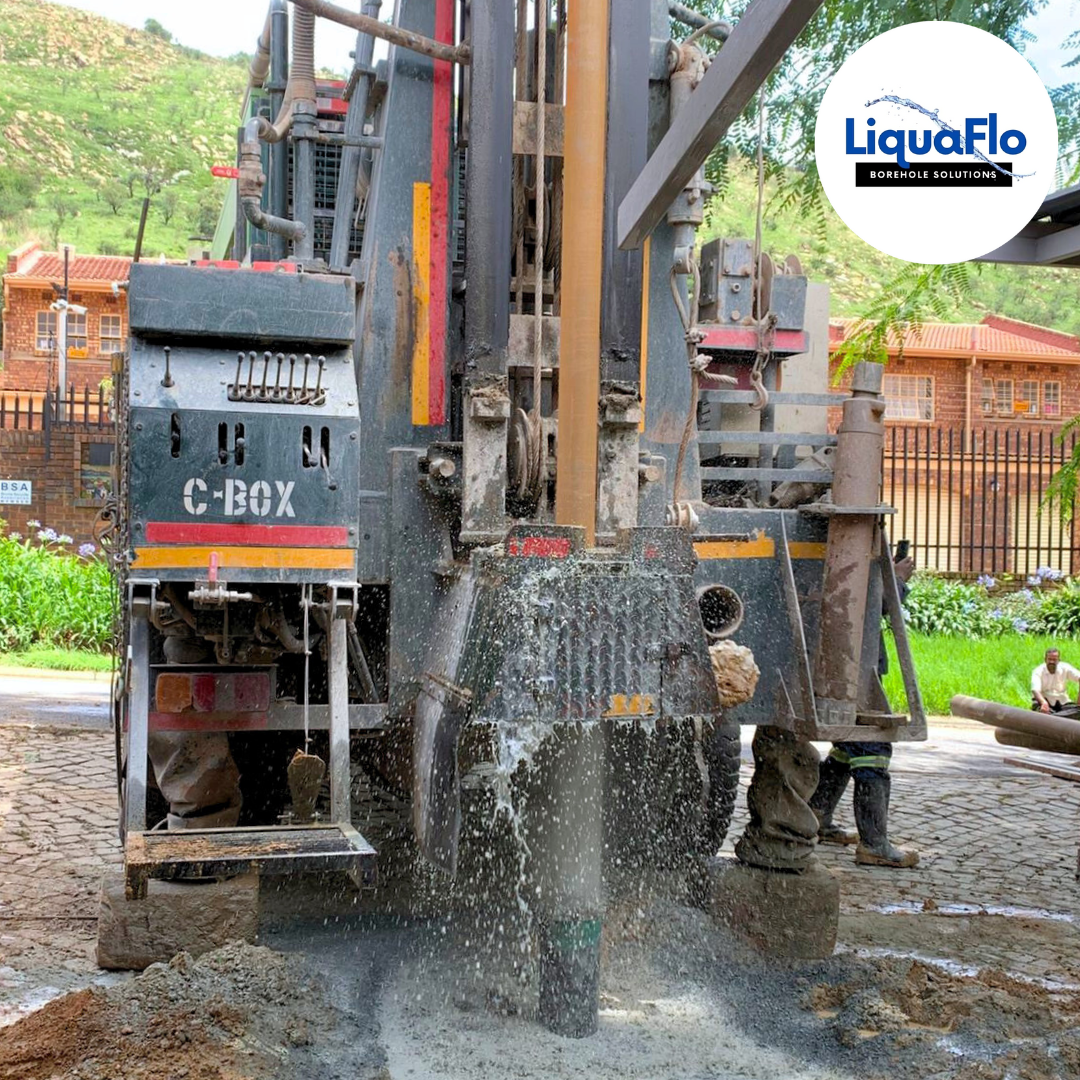
Once the site assessment is complete, the actual drilling can commence. Various techniques are employed, such as rotary drilling, which uses a rotating drill bit to bore through the soil and rock. Bit selection is crucial, as experts select bits based on the material they will encounter, ensuring efficiency and minimizing wear. The casing method applied—whether cased or open well—also affects water flow and stability, protecting the borehole from contamination and collapse.
During drilling, the team must continuously monitor the flow rates and sediment levels to adjust their approach as needed. This monitoring helps recognize the different water layers and evaluate the quality of the groundwater. The drilling operation includes complex machinery and careful management to achieve a sustainable yield. Grasping these techniques is vital for optimizing water production and guaranteeing a reliable supply for various needs.
Analyzing Water Quality and Longevity
The quality of H2O drawn from a well is paramount for its intended use, be it for consumption, agriculture, or industrial processes. Before deciding on drilling, it is crucial to conduct comprehensive water testing to identify potential pollutants such as arsenic, nitrates, and disease-causing organisms that may be found in underground aquifers. Recognizing these factors not only protects the health of individuals and livestock but also guarantees compliance with local water quality standards. Active testing helps in selecting appropriate treatment methods, ensuring that the water obtained satisfies safety benchmarks for its intended application.
Sustainability is another key critical aspect when assessing borehole water sources. The ability to sustain a water supply is influenced by the aquifer's recharge rate, seasonal changes, and long-term climatic conditions. Regular assessment of flow rates and monitoring water levels can provide information into sustainable yield and help assess the viability of the borehole over time. It is vital to implement practices that optimize water use while preserving the aquifer, thereby preventing over-extraction and potential depletion of this valuable resource.
Finally, integrating efficient management practices can enhance both the water quality and sustainability of borehole systems. This can encompass advanced filtration systems, ongoing water quality monitoring, and careful planning for water use, considering seasonal variations. Additionally, employing recharge systems to support aquifer sustainability can mitigate the effects of drought and climate change, guaranteeing a reliable and safe water supply for current and future needs. In the end, a holistic approach to evaluating and governing borehole water quality will contribute significantly to sustained water security.